
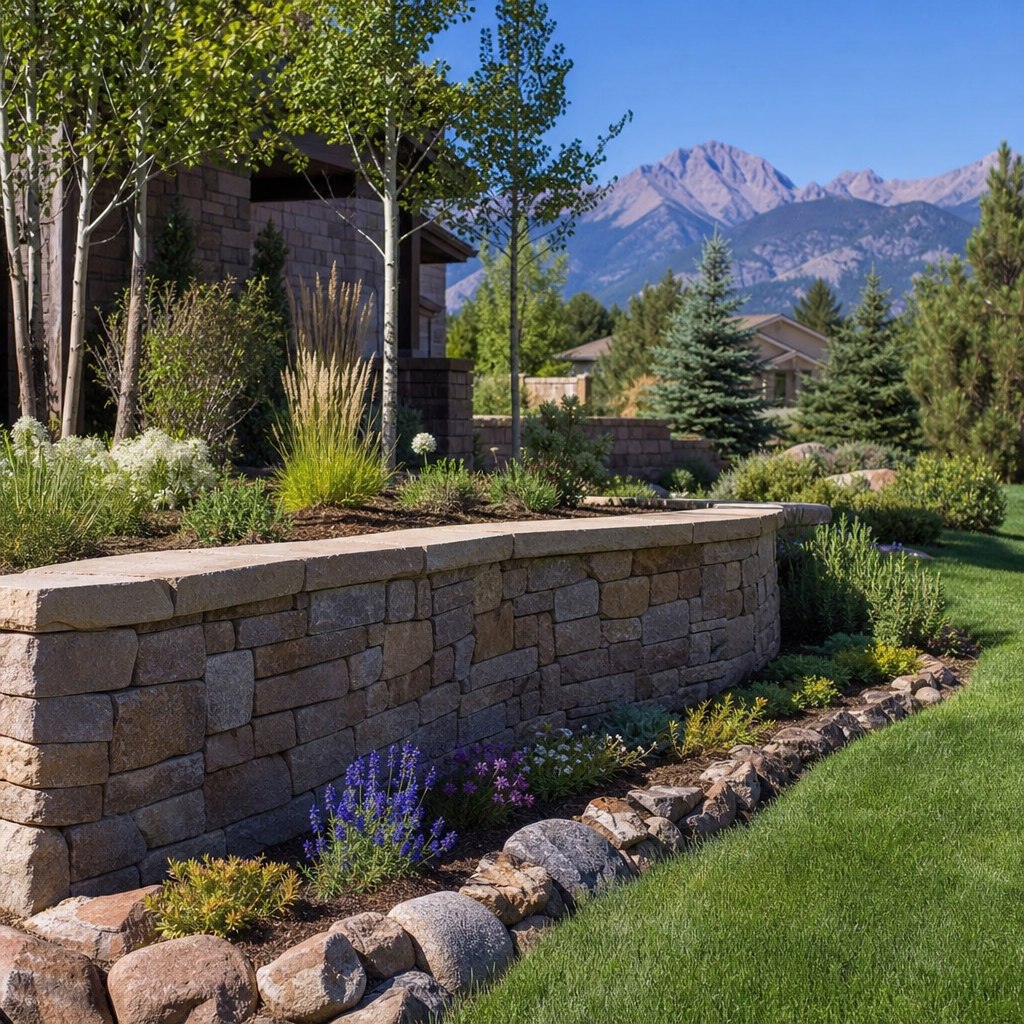
The 7,000-Foot Grass Line: Turf Choices Across Colorado Springs Elevations is a Front Range decision guide for Colorado Springs property owners. It ties the next step to verified local water, soil, season and plant context while leaving uninspected conditions explicitly unresolved.
Locate the lawn relative to 7,000 feet
CSU Extension advises against warm-season grasses above 7,000 feet. That elevation line makes a foothill address materially different from a lower Colorado Springs lot even when both share the same city mailing label.
Use the Front Range cool-season window
Bluegrass, ryegrass and fescues may be seeded from March through September, but CSU identifies mid-August to mid-September as the optimal Front Range window. That is the first calendar slot to protect for renovation.
Reserve warm-season turf for a suitable exposure
Buffalograss and blue grama are seeded April through July and green later than cool-season turf. Elevation, full-sun exposure and tolerance for dormancy should be settled before they enter the specification.
Do not average zones 5b and 6a
Sampled Colorado Springs ZIP codes span USDA zones 5b and 6a. A plant tag's zone rating is a screen, while wind, snow cover, reflected heat and irrigation determine the actual site fit.
Front Range field record for this seasonal
Build the Colorado Springs field record from elevation, slope, exposure and irrigation performance. Mark hard-surface runoff, compacted areas, shaded snow-retention pockets and any lawn above the 7,000-foot warm-season boundary. Note which three watering days were chosen and whether every station can operate before 10 a.m. or after 6 p.m. during the summer rule period. A Front Range recommendation should be traceable to those observations, not to a citywide assumption about soil, hardiness zone or grass type. For this seasonal page, circle the observation that would change the next decision and name who will verify it.
Retain elevation, runoff, compaction and controller evidence with the Front Range proposal so later work can be traced to the condition that justified it. For this seasonal decision, the current authority and photographed property condition control.
property detail 3 in the property planning sequence is timing choices. Record the evidence needed to pass that property detail, the person making the decision, and the acceptance note that closes it before the next stage begins.
Decision property detail 1 in the Property Planning sequence: helpful landscape guide
property detail 2 in the property planning sequence is helpful landscape guide. Record the evidence needed to pass that property detail, the person making the decision, and the acceptance note that closes it before the next stage begins.
Move to the next Front Range Property note
Build a Clear Scope for Your Front Range Property
Tell Peak City Landscaping what is happening on the site and what you need the finished space to do. Those details provide the starting point for a Colorado Springs project estimate.