
property detail 8 in the commercial grounds scope sequence is timing choices. Record the evidence needed to pass that property detail, the person making the decision, and the acceptance note that closes it before the next stage begins.
Decision property detail 3 in the Commercial Grounds Scope sequence: helpful landscape guide
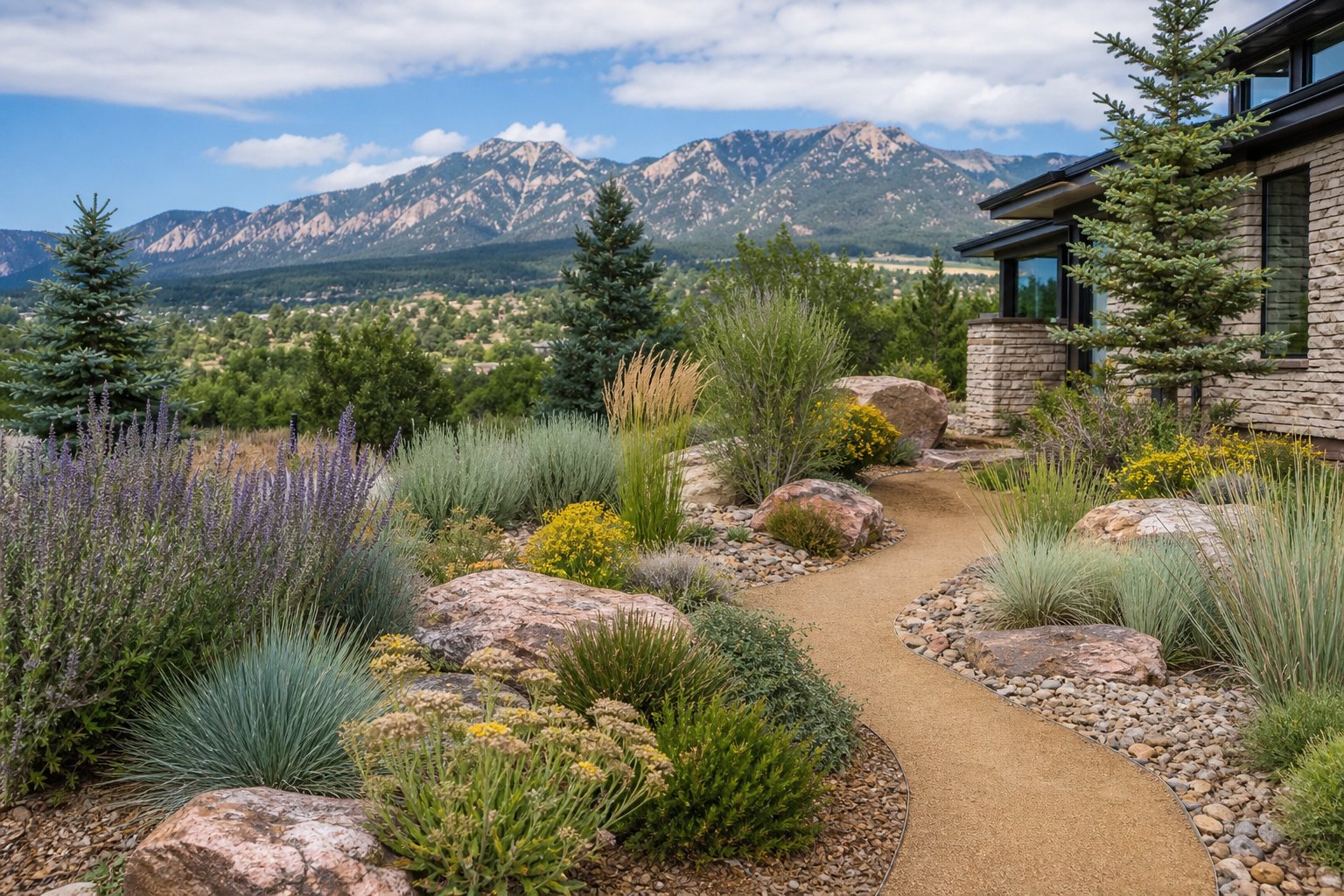
For a Colorado Springs property, separate recurring work from capital work — front range commercial check means starting with observed conditions rather than a packaged answer. In this market, cool-season renovation is best aligned with mid-August to mid-September, while warm-season grasses are seeded April through July and should not be used above 7,000 feet. Use it as a boundary for the scope, then verify the controller, soil and planting area before committing materials.
Decision property detail 5 in the Commercial Grounds Scope sequence: Water-System Observations
The useful question in Colorado Springs is not whether an upgrade sounds attractive, but what evidence supports it. In this market, bluegrass, ryegrass and fescues on the cool-season side; buffalograss and blue grama where elevation and exposure suit warm-season turf. The written plan should state which observation led to each proposed action and which condition remains unknown.
Decision property detail 2 in the Commercial Grounds Scope sequence: helpful landscape guide
This decision changes when the actual exposure, access and irrigation layout are written down. In this market, USDA zones 5b and 6a across sampled ZIP codes. That fact belongs beside the site measurements so a recommendation can be tested instead of assumed.
Decision property detail 4 in the Commercial Grounds Scope sequence: helpful landscape guide
Build the Colorado Springs field record from elevation, slope, exposure and irrigation performance. Mark hard-surface runoff, compacted areas, shaded snow-retention pockets and any lawn above the 7,000-foot warm-season boundary. Note which three watering days were chosen and whether every station can operate before 10 a.m. or after 6 p.m. during the summer rule period. A Front Range recommendation should be traceable to those observations, not to a citywide assumption about soil, hardiness zone or grass type. For this commercial page, circle the observation that would change the next decision and name who will verify it.
Retain elevation, runoff, compaction and controller evidence with the Front Range proposal so later work can be traced to the condition that justified it. For this commercial decision, the current authority and photographed property condition control.
property detail 7 in the commercial grounds scope sequence is timing choices. Record the evidence needed to pass that property detail, the person making the decision, and the acceptance note that closes it before the next stage begins.
Decision property detail 1 in the Commercial Grounds Scope sequence: helpful landscape guide
property detail 6 in the commercial grounds scope sequence is helpful landscape guide. Record the evidence needed to pass that property detail, the person making the decision, and the acceptance note that closes it before the next stage begins.
Move to the next Front Range Property note
Project details and next steps
- No-Cost Scope ReviewThe initial scope review is offered without charge or a commitment to schedule work.
- Decision RecordThe approved scope and price are recorded before scheduling, with later changes documented separately.